
If your Toronto basement feels cramped, damp, or underused, underpinning (a.k.a. basement lowering) can turn it into a bright living area, legal secondary suite, gym, or office. This guide covers how underpinning works, the permit steps, moisture control, and finishes, so you know what to expect before you start.
What Is Underpinning and When Do You Need It?
Underpinning is a structural process that extends your existing foundation downward in stages, allowing you to excavate the basement slab lower for more headroom. Reasons to underpin:
- Headroom: Create 7’6″–9′ ceilings for livable space.
- Rental suite: Meet typical height and egress expectations for a legal second suite (confirm exact requirements with the City).
- Waterproofing opportunity: Replace the old slab, add drainage, and upgrade insulation, fixing moisture at the same time.
- Value: Add real square footage without changing your footprint, ideal for narrow semis and rowhouses.
Underpinning vs. Benching (Lowering Without Touching Footings)
If your budget or soil conditions make underpinning less attractive, benching is an option. The slab is lowered, but a sloped concrete “bench” remains inside the perimeter to keep the original footing untouched.
- Underpinning: Maximum headroom and floor area; higher cost; more engineering and permit complexity.
- Benching: Lower cost and simpler; you lose some floor area at the perimeter; visually integrate with millwork or a ledge.
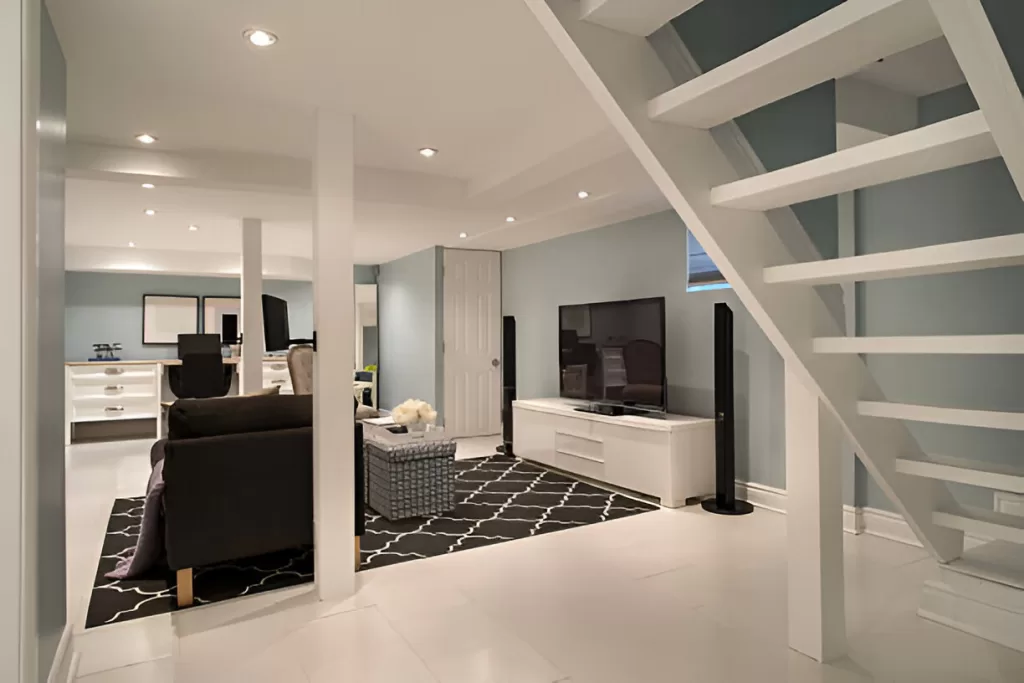
The Step‑by‑Step Process (Toronto Semis, Rows, and Bungalows)
- Site assessment & engineering
- Measure spans, note party walls, check main drains, and locate utilities.
- A structural engineer designs the underpinning sequence and footing depths.
- Permits & neighbour considerations
- Building permit with stamped drawings.
- Party wall homes: pre‑construction photos and vibration/damage waiver for neighbour relations.
- Shoring & staged underpinning
- Work proceeds in small numbered pins (bays), so the house is always supported.
- Each pin is excavated, formed, and poured; then inspected before moving to the next.
- Excavation & new slab
- Bulk dig to the new subgrade, install compacted gravel, vapor barrier, radon/soil gas provision if specified, insulation, and rebar before the new slab pour.
- Waterproofing & drainage
- Interior/exterior weeping tile as designed, new sump pit & pump, and backwater valve on the sanitary line.
- Framing, MEP rough‑ins
- New walls, upgraded electrical, ducting, or hydronic lines, bath/kitchen rough‑ins if adding rooms or a suite.
- Inspections, close‑in & finishes
- Drywall, flooring, doors, trims, paint, and fixture installation.
Waterproofing & Moisture Management (Critical in Our Climate)
- Weeping tile to a sump with a check valve and alarm.
- Backwater valve to prevent sewer backup (especially in older neighbourhoods).
- Exterior membrane and drainage board where access allows; otherwise, interior drainage channels to the sump.
- Slab package: 4–6 in gravel, poly vapor barrier, rigid insulation (often 1–2 in), and a reinforced slab.
- Air sealing around penetrations to prevent drafts and condensation.
- Dry, conditioned air: Tie into HVAC or add a dedicated ERV/HRV run.
Mechanical, Electrical & Plumbing Upgrades to Plan Early
- Main drain & rough‑ins: Relocate and deepen the main underfloor drain; rough‑in for a future bath or kitchenette while the floor is open.
- Heating & cooling: Add dedicated supply/return ducts or hydronic radiant floor zones for even temperatures.
- Dehumidification: Quiet, efficient unit sized for the new volume keeps RH in check year‑round.
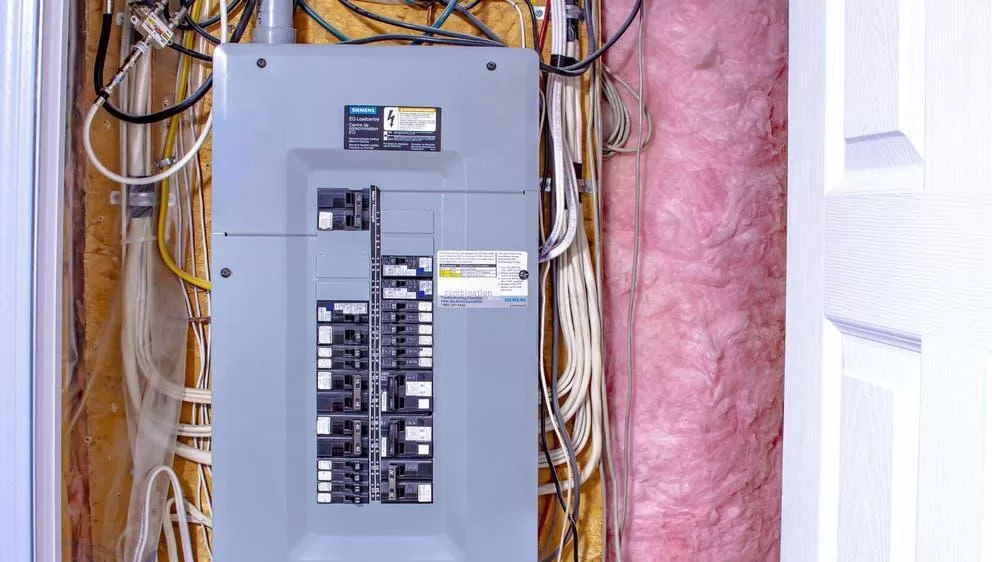
- Electrical capacity: New subpanel, more outlets (tamper‑resistant), and dedicated circuits for laundry, bath fan, and electric heat if used.
- Sound control: Mineral wool in ceilings + resilient channel and 2× 5/8″ Type X between suites.
Finishes That Survive Basements
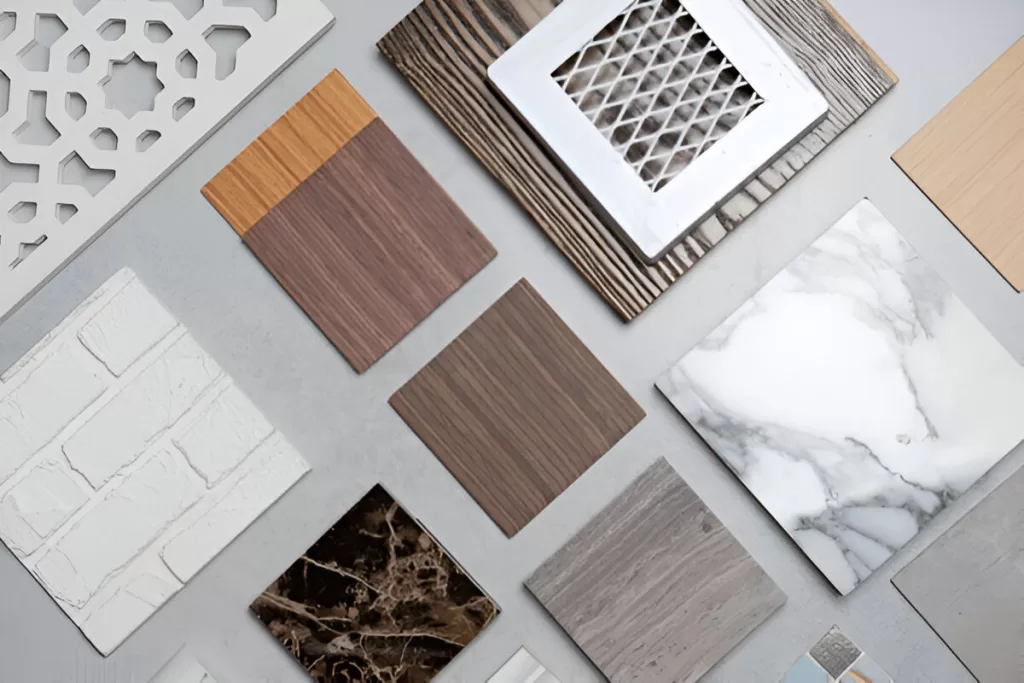
- Flooring: Luxury vinyl plank (LVP), porcelain tile, or engineered hardwood rated for below‑grade. Avoid solid hardwood directly over the slab.
- Walls: Treated bottom plates, raised off slab where possible; rigid foam against foundation (where designed) with framed wall inboard to reduce condensation risk.
- Doors: Solid‑core for sound; tight weatherstripping at suite entries.
- Lighting: Low‑profile LEDs, 3000 K, and high CRI for warm, accurate colour.
Secondary Suite Readiness (If You’re Planning Rental Income)
- Egress: Conformant window well or door for safe exit; confirm sill heights and clear openings.
- Fire separation: Rated assemblies and self‑closing hardware as required in your plans.
- Soundproofing: Aim for party‑wall/ceiling assemblies with resilient channels and damping compound.
- Ventilation & heat: Independent controls are a tenant‑pleaser.
- Laundry: Rough‑in stacking hookups in a closet to reduce noise.
Timelines & Budget Tiers (Typical Ranges)
Every home is different, but here’s how we usually phase it:
- Structural & excavation: 3–6 weeks depending on size, access, and underpin sequence.
- MEP rough‑ins & slab: 1–2 weeks.
- Finishes: 2–4 weeks based on scope.
Good
Benching or partial lowering, new slab & drainage upgrades, basic framing, and electrical ready for future finishes.
Better
Full underpinning, sump & backwater, insulated slab & walls, framed rooms, full rough‑ins, and drywall ready for paint.
Best
Turn‑key finished space or legal suite: complete finishes, sound/fire assemblies, kitchen/bath, HVAC balancing, and final inspections.
Common Pitfalls to Avoid
- Demolition or excavation before engineering/permits are in hand.
- Ignoring waterproofing when you already have the floor open.
- Forgetting make‑up air and dehumidification for a comfortable finished space.
- Using non‑rated assemblies between suites that can fail inspections.
- Skipping neighbour communication in semis/rows relationships matters during heavy work.
How JG Contracting Delivers
- Assessment & feasibility: Headroom goals, soil clues, drains, and structure.
- Engineering & permits: We coordinate the team and handle submissions.
- Precision build: Staged underpinning, clean excavation, waterproofing, and slab package done right.
- MEP & finishes: Quiet, efficient systems and durable materials.
- Handoff: Documentation of hidden work (photos), manuals, and maintenance tips.
Related reading on our blog
- Toronto Load‑Bearing Wall Removal Guide 2025
- Toronto Bathroom Ventilation Guide 2025
- Soundproofing Guide for Semis & Rowhouses
Ready to Gain Headroom and Usable Space?
From feasibility to finishes, we’ll help you plan a dry, comfortable, and code‑compliant lower level.
Ready to transform your home? Contact us today to book a consultation.
📞 Call us at: 437-259-9632
✉️ Email us at: [email protected]
🌐 Website: https://jgcontractingyyz.com