
Bathrooms work hard in Toronto homes. Winter means closed windows and long, hot showers. Summer brings humidity waves off the lake. Without a smart ventilation plan, you get peeling paint, fogged mirrors, mildew on grout, and lingering odours. This guide explains how to size, spec, and control bathroom fans so your space stays dry, healthy, and comfortable.
Why Ventilation Matters in Toronto
Moisture is the enemy of finishes and indoor air quality. In older semis and wartime bungalows, bathrooms are often interior rooms with no operable windows. Even in condos with new tile and glass, steam can linger because airtight construction traps moisture. Correct ventilation protects grout and drywall, limits mold growth, and prevents wood swelling on doors and vanity panels.
How To Size Your Bathroom Fan
A reliable rule of thumb is 1 CFM per square foot for an 8-foot ceiling. Increase CFM when ceilings are taller or when you have large tubs, steam showers, or separate water closets.
- 5 ft x 8 ft hall bath with an 8 ft ceiling is about 40 CFM. We still recommend 80 CFM minimum for faster clear out.
- 8 ft x 10 ft primary bath with a glass shower is 80 CFM by the rule. We specify 110 to 150 CFM, depending on layout and door gaps.
- Add 50 CFM of capacity for enclosed water closets with their own door.
If you prefer a quiet, continuous approach, select a low CFM continuous fan plus a boost mode for showers. This keeps humidity in check day to day.

Noise Levels You Can Live With
Noise is measured in sones. Quieter fans get used to more because they are not annoying.
- Under 1.0 sone is library quiet and perfect for night use.
- 1.0 to 1.5 sones is a sweet spot for most family bathrooms.
- Avoid anything louder than 2.0 sones if possible.
Look for quality housings with vibration isolation and smooth duct connections to keep real-world noise low.
Ducting That Actually Moves Moisture
Moving air out of the room is half the battle. The other half is getting it outside efficiently.
- Use smooth metal duct wherever possible. Flexible plastic adds resistance and collects dust.
- Keep runs short and straight with wide turning radii.
- Size ducts to the fan outlet. A 6-inch outlet should not be choked down to 4 4-inch.
- Terminate to the exterior with a backdraft damper. Avoid dumping into an attic or garage.
- In unconditioned spaces, insulate the duct to prevent condensation that can drip back through the grille.
Condo note: Many buildings require you to tie into shared exhaust risers and prohibit exterior penetrations. We coordinate with property management to ensure the fan you pick is compatible and meets building rules.
Controls That Make Life Easier
The best fan is one you do not have to think about. Pick controls that match how you live.
- Humidity sensors turn on automatically when the room hits a set point and run until levels drop.
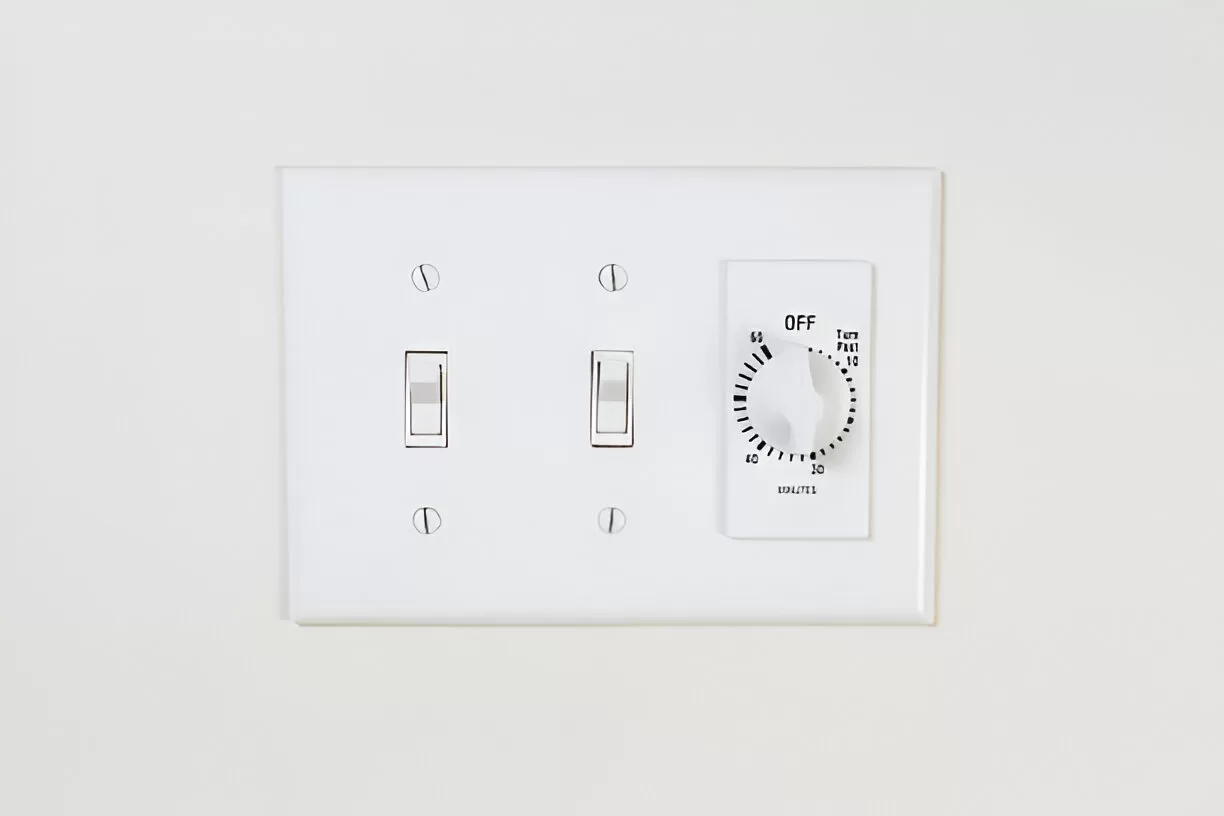
- Timer switches run 20 to 60 minutes after showers so you do not forget.
- Continuous low-speed fans maintain baseline ventilation. Use a boost switch for showers.
- Smart controls create scenes that also brighten lights and warm floors for morning routines.
We like to combine a quiet, continuous fan in the main bath with timer controls in secondary baths for a balanced approach.
Door Gaps, Makeup Air, and Fogged Mirrors
A fan cannot pull out what cannot get in. Leave at least a 3/4 inch undercut at the door or use a transfer grill if the bath is very tight. For fogged mirrors, pair proper ventilation with heated mirror pads or locate a separate task light above the vanity to improve clarity.
Showers That Dry Out Fast
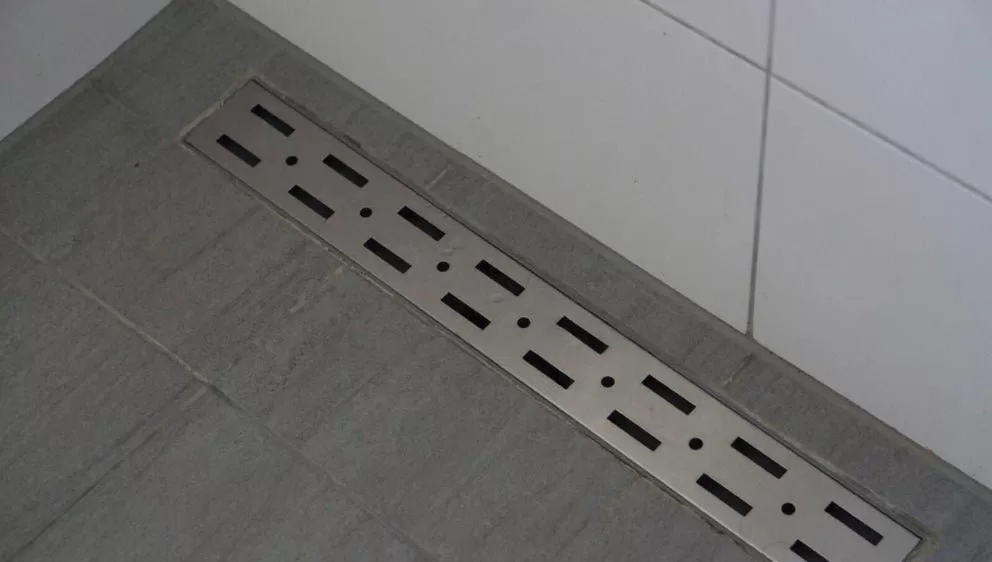
- Curbless showers with a linear drain move water quickly and are easier to squeegee.
- Use small-format or textured tile on floors for grip and better drainage.
- Slope the bench and niches so water does not sit.
- Waterproof with a continuous membrane behind the tile. Grout is not waterproof on its own.
These upgrades reduce the moisture your fan has to handle and keep surfaces clean longer.
Winter Moisture Management
Cold Canadian winters create condensation risks. Warm, moist air can condense on cold exterior walls and window trim.
- Seal penetrations around plumbing and fan housings with acoustic or polyurethane sealant.
- Insulate exterior wall cavities well and maintain a continuous air barrier.
- Keep the room at a steady temperature and run the fan during and after showers.
- Use low-flow shower heads to reduce moisture load without sacrificing comfort.
Condo and Rowhouse Considerations
- Condos often require low-profile fans approved for the building stack. We match fan curves to the riser pressure so the unit does not stall.
- Rowhouses and semis share party walls. We avoid routing new ducts through these walls and use insulated runs through joist bays with the shortest path to the exterior.
- For stacked bathrooms, consider a dedicated inline fan in a mechanical space that pulls from multiple grilles and exhausts through one exterior cap.
Maintenance You Can Set And Forget
- Clean the grille quarterly. Dust reduces performance and increases noise.
- Remove the blower wheel annually and wipe the blades.
- Check the exterior cap for lint buildup and that the damper swings freely.
- Replace or clean filters if your fan model includes them.
Well-maintained fans perform close to their rated CFM and stay quiet for years.
Breathe Easier With Proper Ventilation
If steam, streaky paint, or odours are a problem, we can help. From a simple fan swap to a full ducted inline system, we design around your home and your building rules.
Ready to transform your home? Contact us today to book a consultation.
📞 Call us at: 437-259-9632
✉️ Email us at: [email protected]
🌐 Website: https://jgcontractingyyz.com