
Open‑concept living is still a top request in Toronto home renovations, and the fastest path there is often taking out a wall. If that wall is load‑bearing, the stakes are higher: permits, engineering, and careful sequencing are non‑negotiable. Done right, you’ll gain sightlines, light, and resale appeal. Done wrong, you risk structural damage and failed inspections. This guide walks Toronto homeowners through the essentials so your wall removal is safe, smooth, and value‑adding.
Do You Need a Permit (and an Engineer)?
Short answer: Yes, for any structural change. In Toronto, removing or altering a load‑bearing wall requires:
- Building Permit: Structural alterations must be reviewed and approved.
- Engineered Design: A Professional Engineer (P.Eng.) or licensed designer provides signed drawings and beam specs.
- Inspections: City inspections confirm the work matches the approved plans.
Tip: Even “partial” openings typically need engineered support. When in doubt, assume you’ll need drawings and a permit we’ll handle submission, coordination, and inspector walk‑throughs.
How We Confirm if a Wall Is Load‑Bearing
- Site inspection & measurements: We trace load paths from roof to foundation.
- Joist direction: If floor/ceiling joists rest on the wall, it’s often bearing.
- Attic/basement clues: Beams, posts, and doubled joists reveal where loads transfer.
- As‑built drawings (if available): We compare to current conditions; renovations from past owners can change load paths.
Never rely on guesswork; one missed point load can lead to sagging, cracked finishes, or worse.
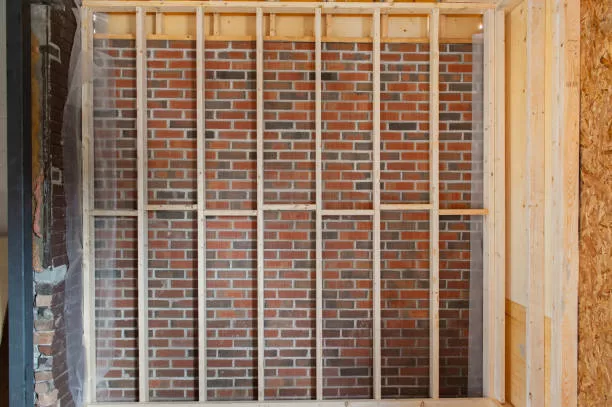
Beam Options for Toronto Homes
1) LVL (Laminated Veneer Lumber)
- Strong, stable, and commonly available.
- Great for typical spans in semis, towns, and detacheds.
2) Steel (W‑section or HSS)
- Slimmer profile for long spans or tight headroom.
- Often paired with flitch plates or LVL to fine‑tune depth vs. strength.
3) Built‑up Wood Beams
- Multiple plies of dimensional lumber are budget‑friendly for small openings.
A structural engineer sizes the beam and bearing posts based on span, loading (live, dead, snow), and what’s above (roof vs. another floor). We’ll also verify the footing below can take the load adding a pad or pier when required.
Flush vs. Drop Beam: Which Look Fits Your Space?
- Flush beam (hidden in the ceiling): Clean sightline; best for contemporary spaces. Requires joist hangers and more invasive work, sometimes a thicker beam, and added temporary shoring.
- Drop beam (visible below the ceiling): Faster install, less invasive, and budget‑friendly. It can be boxed in with drywall or millwork as an architectural detail.
We’ll propose options with renderings so you can compare look, cost, and timeline.
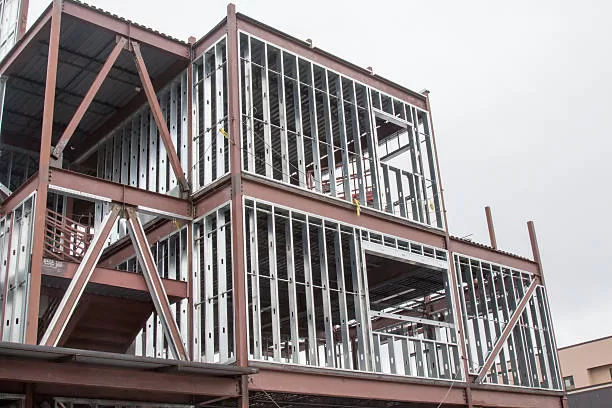
The Build Sequence (What Actually Happens)
- Protection & prep: Dust walls, floor protection, zip walls, negative air if needed.
- Temporary shoring: We build shoring walls on both sides of the opening to hold loads during demo.
- Selective demolition: Remove finishes and framing where the new opening will be.
- Set bearing points: Install posts and confirm the footing capacity, or add a pad footing.
- Install the beam: LVL or steel per engineered drawings; fasteners and connectors to spec.
- Tie‑in services: Reroute electrical, plumbing, and HVAC that previously ran through the wall.
- Close‑up & finishes: Frame, drywall, patch flooring/ceilings, prime and paint; integrate casing or millwork.
- Inspection & sign‑off: City inspection and documentation for your records.
Planning for the “Invisible” Stuff (That Makes All the Difference)
Electrical
- Switches, receptacles, and lighting circuits often live in removed walls. We’ll relocate to nearby surfaces and use ceiling lighting or wall‑wash fixtures to keep the room bright.
HVAC
- If the wall carried a supply/return, we’ll re‑route ducting for comfort and balance. For open plans, consider a larger return or strategically placed supply diffusers.
Plumbing
- Kitchens often share wet walls. We’ll reroute drains, vents, and water lines with minimal ceiling/bulkhead impact.
Acoustics
- Open spaces carry sound. We can add acoustic insulation in shared party walls/ceilings and specify soft finishes (area rugs, curtains, acoustic art) to keep conversation comfortable.
Lighting & Layout
- With a wider room, switch to a layered lighting plan: dimmable ambient, task over the kitchen, and accent for architecture.
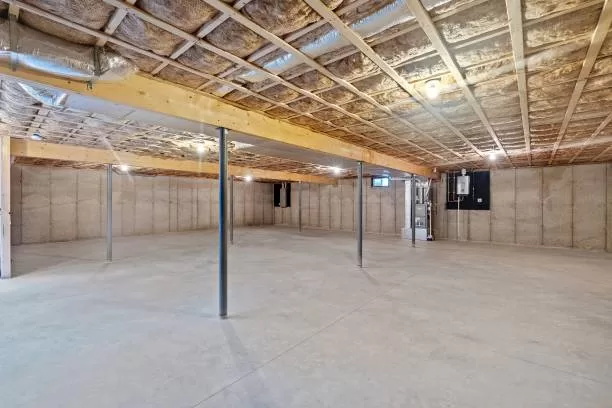
Budget: Realistic Ranges in 2025
Every home is different; span length, beam type, utilities, and finish level drive cost. These ballparks help with planning:
- Targeted Opening (Drop Beam, Short Span): Engineered LVL, basic patching/paint, minor electrical reroute. From low‑$ tens of thousands.
- Mid‑Span Opening (Flush or Steel): Deeper shoring, joist hangers, utilities rerouting, and ceiling refinishing across the room. From mid‑$ tens of thousands.
- Large Span / Complex Services: Long steel beam, new posts/footings, significant electrical/HVAC/plumbing re‑work, full room refinish. High‑$ tens into low‑$ hundreds of thousands.
A site visit lets us provide a detailed, line‑item quote with options so you can decide where to invest.
Timeline
- Design & Permits: 2–6 weeks, depending on drawings and City review.
- On‑Site Work: Typically 2–7 days for structure and rough‑ins, plus finishing time based on scope.
- Inspections: We coordinate milestones to keep momentum.
Common Mistakes (and How We Avoid Them)
- Skipping engineering: Undersized beams lead to deflection, cracked tiles, and bouncy floors. We always engineer.
- No footing upgrade: Posts need proper bearing; sometimes a new concrete pad is required in the basement.
- Forgetting services: Electrical/HVAC/plumbing reroutes can be the sleeper cost; we plan them early.
- Patchwork finishes: We feather ceilings/walls and plan flooring transitions so the space looks intentionally designed.
- Not documenting: Keep permits, drawings, and inspection records. They matter for insurance and resale.
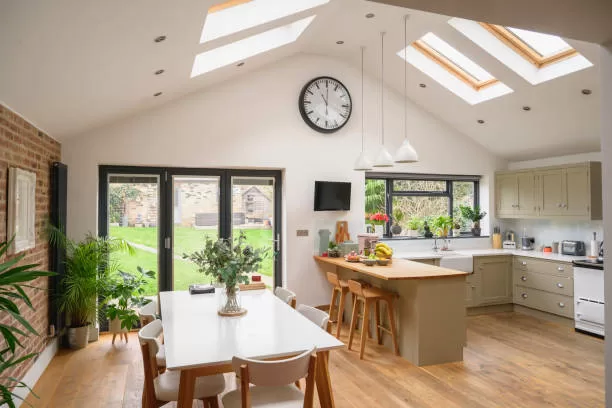
Design Tips for Your New Open Plan
- Define zones with islands, lighting, and furniture so the room feels purposeful, not cavernous.
- Add storage (pantry walls, built‑ins) so openness doesn’t equal clutter.
- Mind sightlines from the entry: position the most beautiful elements (range hood, art wall) on‑axis.
- Future‑proof with extra outlets, smart‑home wiring, and dimmers.
Ready to Open Up Your Main Floor?
Let’s engineer it right. Book a consultation today with JG Contracting for design options, accurate budgeting, and end‑to‑end permit support on your Toronto home renovation.
📞 Call us at: 437-259-9632
✉️ Email us at: [email protected]
🌐 Website: https://jgcontractingyyz.com