
If you are planning Toronto home renovations in 2025, upgrading your HVAC to a high‑efficiency heat pump is one of the smartest investments you can make. Today’s cold‑climate systems heat reliably through most GTA winters, cut utility costs, and improve summer cooling. This guide breaks down how to choose and size a heat pump for a renovation in Toronto, how to compare ducted vs ductless options, what to do about electrical capacity, and how to avoid common mistakes.
Why choose a heat pump for a Toronto renovation
- Year‑round comfort: One system handles efficient heating and cooling.
- Lower operating costs: In well‑sealed homes, heat pumps often cost less to run than older gas furnaces plus AC.
- Better indoor air quality: Continuous low‑speed operation filters more air and maintains even temperatures.
- Electrification ready: Pair with future solar or time‑of‑use strategies to further reduce costs.
Ducted vs ductless vs hybrid
Ducted heat pumps
Best when you already have decent ductwork or you are opening walls during a renovation. You get whole‑home distribution and a clean look. Pair with an ECM air handler for quiet operation.
Pros: Familiar wall registers, strong filtration, balanced room‑to‑room temps.
Consider: Duct sealing and right‑sizing are critical. Undersized or leaky ducts lead to noise and poor airflow.
Ductless mini‑splits
Best for additions, top‑floor hot rooms, or homes without ducts. Wall, floor, or ceiling cassettes deliver zoned comfort.
Pros: Superb efficiency, room‑by‑room control, minimal construction mess.
Consider: Indoor heads are visible, and you need a plan for condensate routing and line‑set routing in finished spaces.
Hybrid setups
Keep the existing furnace as a backup while a heat pump covers most heating hours. This can be a transitional step during larger renovations or when electrical capacity is tight.
Sizing and cold‑weather performance
- Load calculations first: Ask for a room‑by‑room Manual J-style calculation, not a rule of thumb. Renovations that add insulation, air sealing, and new windows reduce the load, which can allow a smaller, quieter system.
- Cold‑climate models: Choose equipment that maintains useful capacity at −15 °C and below. Look for published performance tables at 0 °C, -8 °C, and -15 °C.
- Staging and modulation: Inverter compressors ramp up and down to match real‑world loads, which improves comfort and efficiency.
Noise, placement, and neighbours
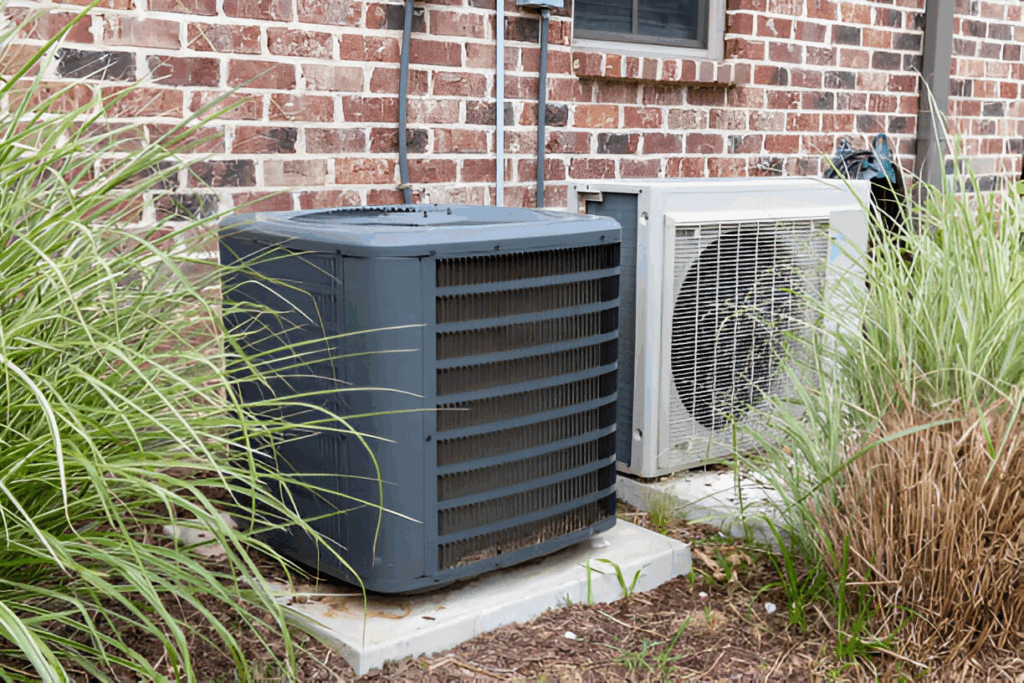
- Outdoor unit placement: Keep condensers off bedrooms when possible. Use anti‑vibration pads and a solid base.
- Airflow clearances: Maintain manufacturer clearances around shrubs, fences, and snow lines.
- Sound control: Select low‑dB models and consider an acoustic fence when units must face a neighbour’s yard.
Electrical capacity and panels
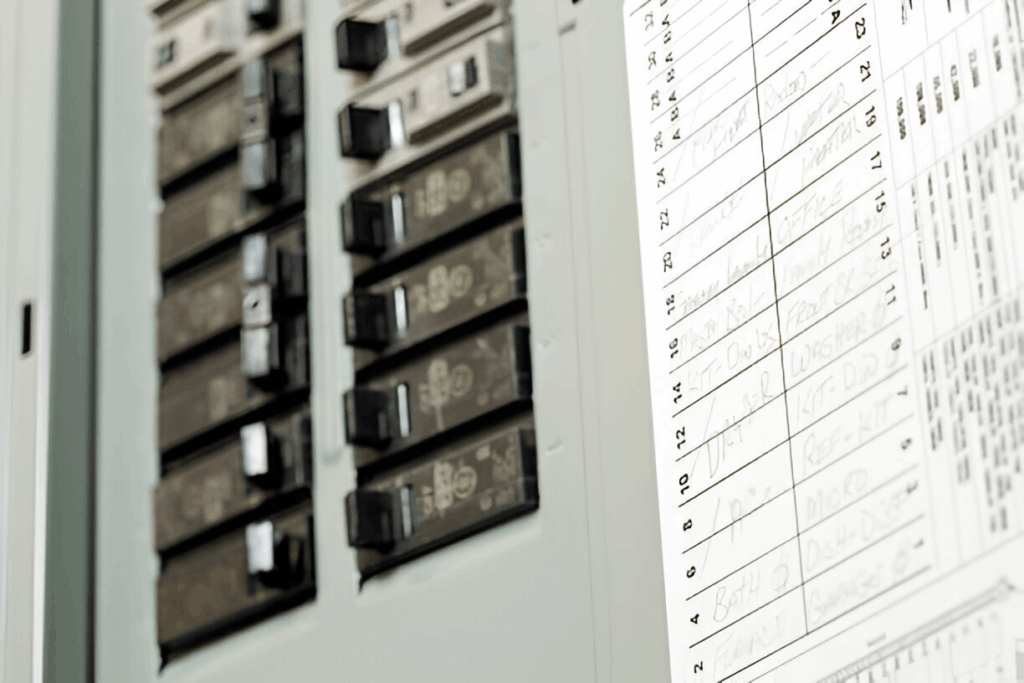
Renovations are the perfect time to plan for electrification. Many homes can run a heat pump on existing service, but larger systems or multiple indoor heads may require panel upgrades or dedicated breakers. If you are also adding an induction range, electric dryer, or EV charger, we will do a load calculation and propose panel or circuit updates so everything plays nicely.
Tip: If panel space is tight, a subpanel near the indoor unit can keep line runs short and tidy.
Controls, ventilation, and filtration
- Smart thermostats: Choose models compatible with variable‑speed equipment.
- Zoning: For ducted systems, consider motorized dampers for upstairs vs the main floor.
- Fresh air: Pair a heat pump with a dedicated HRV or ERV during renovations to bring in filtered outdoor air without big energy penalties.
- Filtration: Specify MERV‑13 filters if your duct sizing supports it.
Ballpark budgets for Toronto projects
Every home is different, but these ranges help with early planning:
- Ductless single‑zone mini‑split: typically $3,500 to $7,500 installed, depending on line‑set length and placement.
- Multi‑zone ductless (2–4 heads): typically $9,500 to $20,000 with neat line‑set concealment and electrical included.
- Fully ducted central heat pump: typically $15,000 to $30,000 depending on duct upgrades, HRV/ERV integration, and controls.
- Hybrid add‑on heat pump to existing furnace: usually $6,500 to $12,000 and a good bridge during phased renovations.
(Ask us for a firm quote after we assess your home and renovation scope.)
Avoid these common mistakes
- Skipping the load calculation and oversizing the system, which leads to short cycling and noise.
- Reusing leaky, undersized ducts without sealing or balancing.
- Placing the outdoor unit where snow drifts, roof runoff, or neighbour windows are a problem.
- Forgetting about dedicated electrical capacity and breaker space.
- Choosing controls that cannot modulate or communicate with the equipment.
How JG Contracting handles HVAC during renovations
- We coordinate load calculations early, alongside insulation and window choices.
- We plan electrical with the rest of the scope, so panel upgrades, subpanels, or new circuits do not surprise your budget.
- We protect finishes with clean line‑set routes, tidy penetrations, and paint‑matched covers.
- We commission the system, balance airflow, and verify quiet operation before hand‑off.
Helpful companion reads on our site:
- Toronto EV Charger & Panel Upgrades 2025
- Windows That Work Well in Toronto 2025
- Toronto Ice Dam Prevention 2025 (good context for insulation and air sealing ahead of HVAC)
Ready to renovate smarter? Contact us today to book a consultation. We will assess your home, run the numbers, and design a quiet, efficient heat pump solution that fits your renovation plan.
📞 Call us at: 437-259-9632
✉️ Email us at: [email protected]
🌐 Website: https://jgcontractingyyz.com