
Thinking about refreshing your exterior? The right cladding can transform curb appeal and boost durability and comfort, especially in Toronto’s freeze-thaw climate. This guide breaks down material choices, rainscreen details, exterior insulation, permits, budgets, and timelines so your Toronto home renovation delivers beauty that lasts.
Why Re‑Side in Toronto?
- Curb appeal & resale: Clean lines and modern profiles lift market value.
- Durability: Proper assemblies resist wind‑driven rain, ice, and UV.
- Energy efficiency: Exterior insulation reduces drafts and thermal bridging.
- Maintenance: Choose finishes that match how much upkeep you want.
Contractor tip: Your wall assembly matters as much as the siding. A great product over a poor water‑management detail still fails.
Rainscreen 101 (The Toronto Essential)
A rainscreen is a small air gap (typically 10-19 mm) behind cladding that lets walls drain and dry.
- Layers (outside → in): Cladding → ventilated air gap (furring strips or 3D mat) → WRB (weather‑resistive barrier) → sheathing → framing/insulation → interior finishes.
- Flashing is non‑negotiable: We detail kick‑out, head, sill, and base flashings so water exits the front of the wall.
- Vent high & low: Intake at the bottom, exhaust at the top (with bug screen) accelerates drying.
- Brick or stucco nearby? We add clearances and transition flashings to keep dissimilar materials from trapping moisture.
Exterior Insulation (Continuous Warmth)
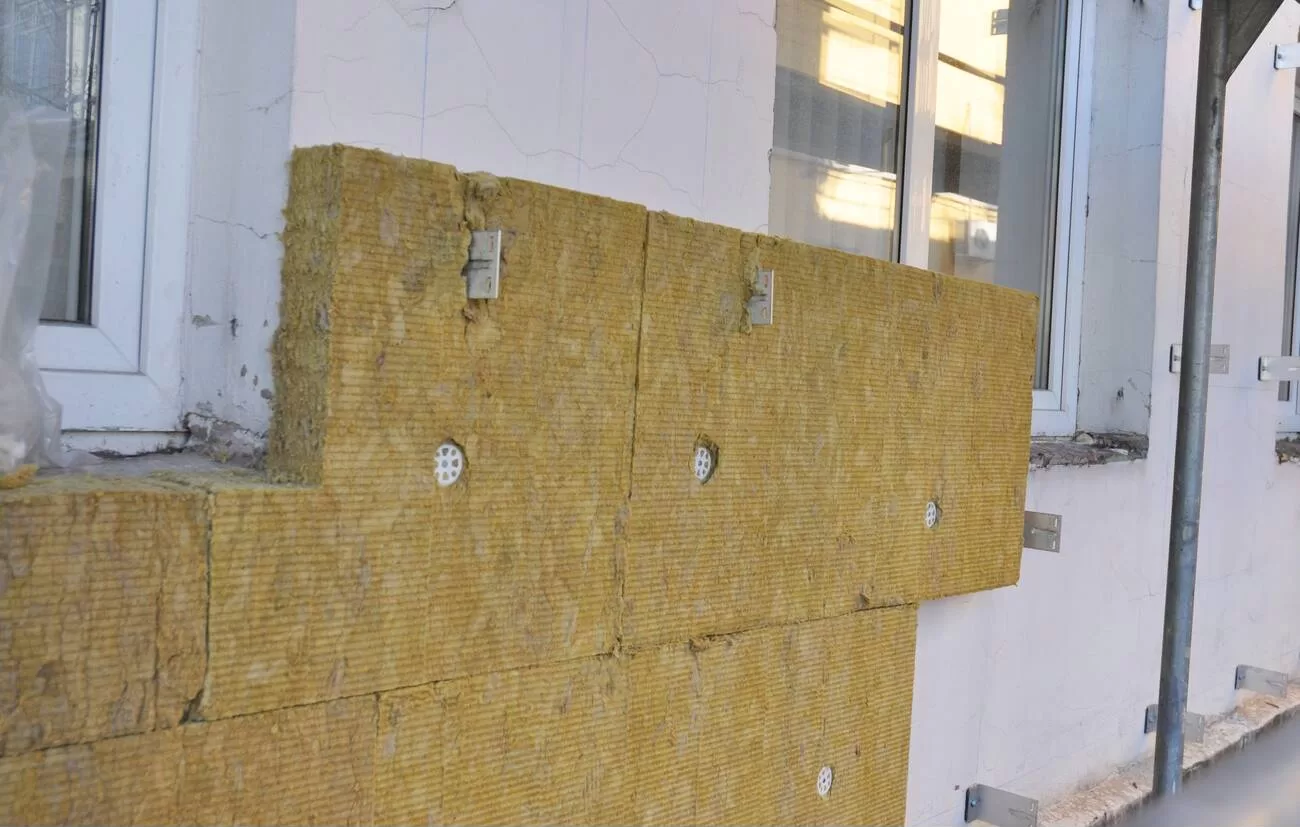
Adding continuous exterior insulation over sheathing keeps the whole wall warmer and reduces condensation risk.
- Material options: Rigid mineral wool (non‑combustible), polyiso, or XPS/EPS foams.
- Thickness: Common upgrades are 1-2 inches; thicker is possible with engineered fastener schedules.
- Thermal bridging: Exterior insulation breaks the cold path through studs, improving comfort.
- Window/door details: We extend jambs/sills, add head flashings, and integrate the WRB so openings stay dry.
Pro tip: In many Toronto neighbourhoods, thicker walls may affect trim projections near property lines. We’ll review clearances before you order material.
Material Showdown: Pros, Cons & Use‑Cases
Fiber Cement (e.g., plank or panel)
- Pros: Excellent durability, fire‑resistant, crisp modern lines, wide colour range (factory finishes).
- Consider: Heavier to install; needs correct clearances and painted cuts.
- Best for: Contemporary makeovers, low‑maintenance upgrades on semis/detacheds.
Engineered Wood (e.g., treated wood composite)
- Pros: Warm wood look with improved moisture resistance vs. traditional wood; fast install.
- Consider: Requires strict paint/caulk maintenance; follow manufacturer clearances and end‑seal rules.
- Best for: Classic or modern‑farmhouse aesthetics with manageable upkeep.
Vinyl Siding
- Pros: Budget‑friendly, light, lots of profiles.
- Consider: Can warp near high heat (BBQs, reflections), more flexible in wind; detailing at trims matters.
- Best for: Cost‑conscious refreshes and detached garages.
Metal (Steel/Aluminum) – Lap, Panel, or Corrugated
- Pros: Long life, recyclable, sleek modern vibe, colour stability.
- Consider: Oil‑canning risk on large flat panels (managed by profile/fastening); higher upfront cost.
- Best for: Contemporary homes and mixed‑material facades (with wood or brick accents).
Cedar or Other Natural Woods
- Pros: Timeless warmth, easy to work with, great for feature walls and soffits.
- Consider: Regular finishing to retain colour; silvering if left natural.
- Best for: Accents and sheltered elevations.
Masonry Veneer (Thin Brick or Stone)
- Pros: Durable, upscale, excellent impact resistance.
- Consider: Heavier, needs shelf angles or support in some conditions; careful flashing at transitions.
- Best for: Feature walls, lower storeys, or blending with existing brick streetscapes.
Remove or Over‑Clad?
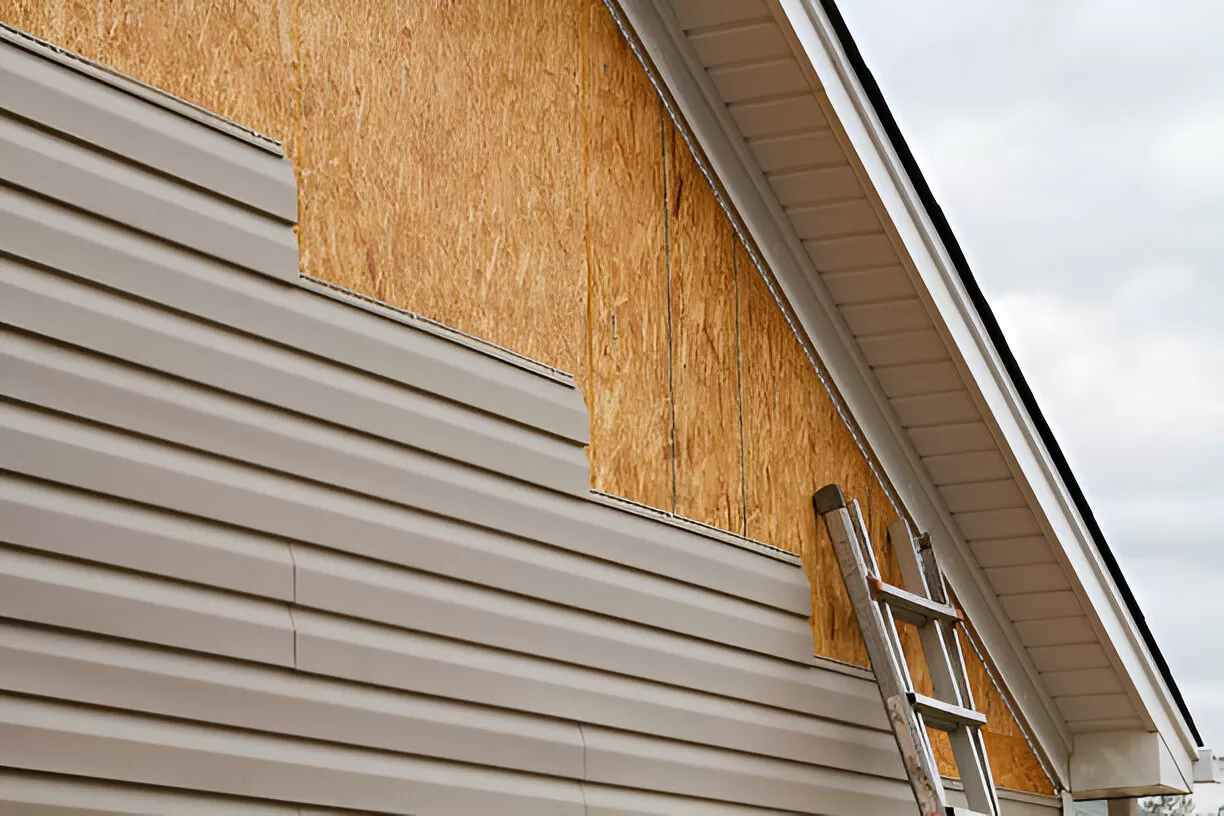
- Tear‑off & rebuild exposes sheathing so we can fix hidden issues, add WRB + insulation, and straighten waves for a laser‑flat finish.
- Over‑clad can work on flat, sound substrates, but we still require a WRB and true rainscreen. We avoid trapping old vinyl over vinyl or covering active leaks.
Houses from certain eras can contain asbestos in old shingles or stucco; we test before demo and follow safe removal protocols.
The Install Sequence (What You’ll See On‑Site)
- Protection & demo: Plant/driveway protection, selective removal, substrate repairs.
- WRB + flashing: Continuous, taped WRB; pan/head flashings at windows/doors; kick‑out at roof‑wall.
- Exterior insulation (if included): Fastener layout, engineered furring over insulation for a true rainscreen plane.
- Furring & trims: Set story sticks and laser lines for perfect reveals; pre‑finish trims.
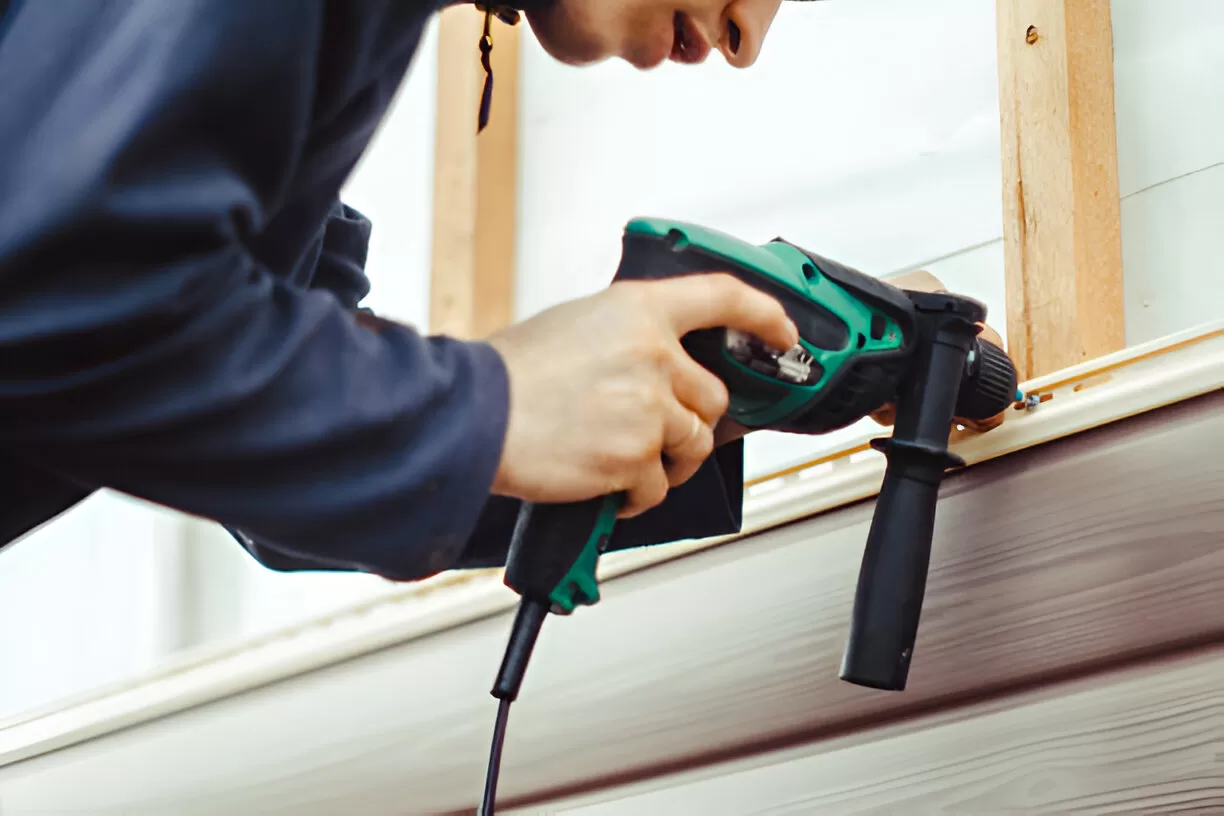
- Cladding install: Correct fasteners, cut‑end sealing, manufacturer clearances from grade/roofs/walks.
- Final sealants & details: High‑quality exterior sealants at designed joints; careful colour‑matched touch‑ups.
- Clean‑up & QA: We verify ventilation slots, flashings, and terminations; document with photos for your records.
Permits, Heritage & Neighbours
- Permits: Like‑for‑like siding swaps often don’t require a City building permit; adding exterior insulation, structural changes, or altering openings may trigger permits or zoning reviews.
- Heritage areas: Facade changes can require heritage approvals; we coordinate with the City when applicable.
- Shared walls & setbacks: In semis/towns, projecting trims or thicker walls near property lines need careful detailing to remain compliant.
We’ll confirm what applies to your address and file the right paperwork.
Budgets & Timelines (Order‑of‑Magnitude)
Every home is unique. Elevation complexity, access, and material choice drive cost. These ballparks help with planning:
- Good (Refresh): New cladding on existing plane, selective trim upgrades. From low‑$ tens of thousands.
- Better (Rainscreen + Select Exterior Insulation): Full WRB, furring, 1–1.5″ insulation, upgraded trims. From mid‑$ tens of thousands.
- Best (High‑Performance Envelope): 2″+ exterior insulation, premium cladding (metal/fiber cement panels), new flashings, window extension jambs. High‑$ tens into low‑$ hundreds of thousands.
Typical On‑Site Time: 5–15 working days for straightforward elevations; longer with insulation, complex trims, or masonry accents.
Common Mistakes (and How We Avoid Them)
- No rainscreen: Traps moisture and shortens siding life → we always ventilate the cavity.
- Missing kick‑out flashing: Causes roof‑wall leaks → we add kick‑outs at every tie‑in.
- Fastener mismatch: Corrosion at treated lumber or coastal conditions → we specify compatible, coated, or stainless hardware.
- Inconsistent reveals: Wavy lines scream “DIY” → we laser‑layout courses and control joints.
- Ignoring transitions: Slab grade, decks, roofs, and masonry get dedicated flashings and clearances.
Design Ideas That Stand Out (and Sell)
- Two‑tone schemes: Dark lap siding with light panel accents or vice versa.
- Mixed materials: Metal upper storey with cedar soffits and stone at the base.
- Shadow lines: Deep trims and vertical battens to add texture on simple facades.
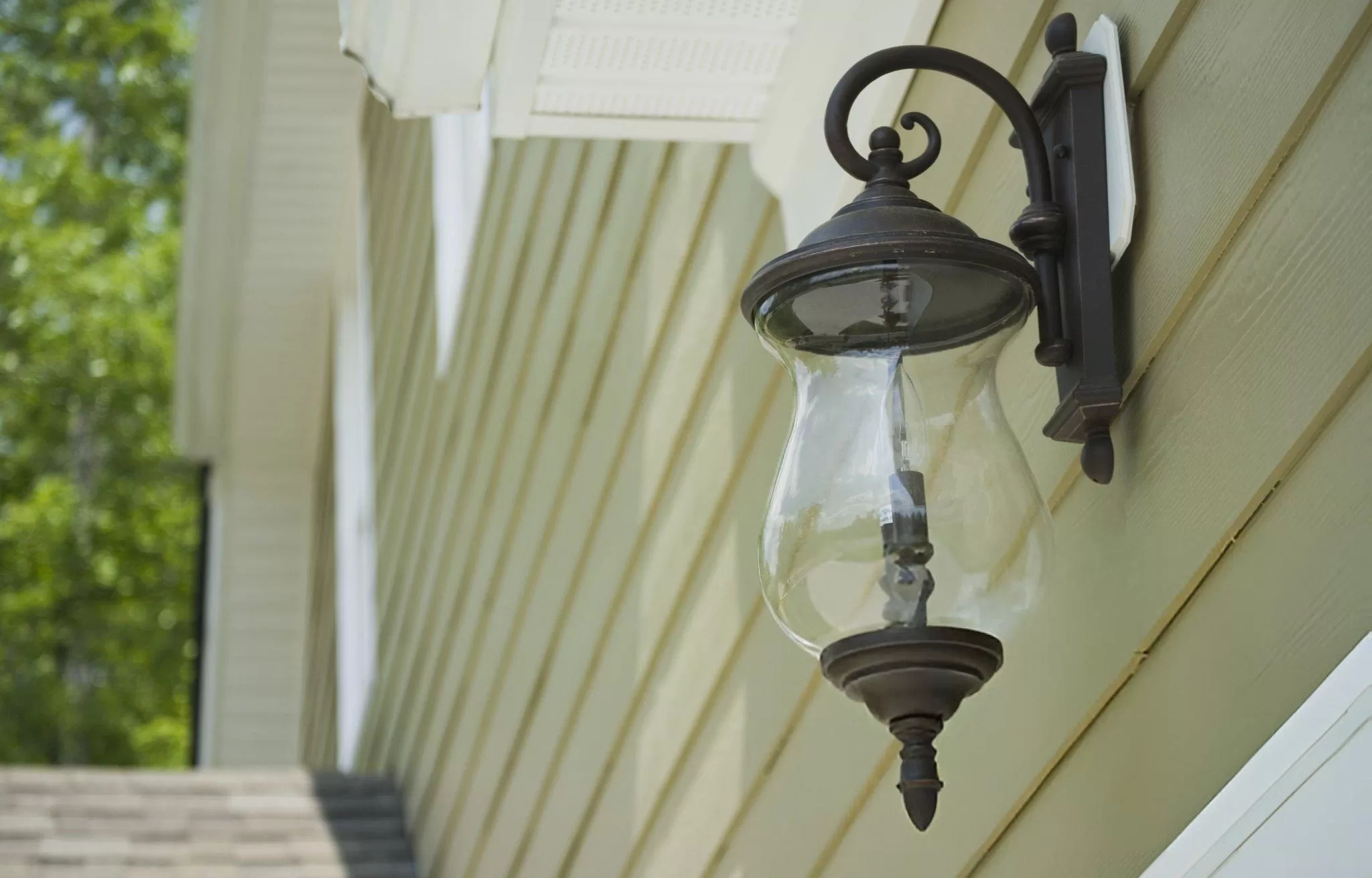
- Nighttime curb appeal: Discreet wall‑wash lighting to highlight textures.
Ready to Re‑Side With Confidence?
Let’s design a moisture‑smart, energy‑savvy exterior that looks incredible for years. Book a consultation today with JG Contracting, your local partner for Toronto home renovations.
📞 Call us at: 437-259-9632
✉️ Email us at: [email protected]
🌐 Website: https://jgcontractingyyz.com