
Owning a heritage home in Toronto is a privilege. The brick patterns, stained glass, and handcrafted millwork connect your space to the city’s story. Renovating these homes takes a careful balance. You want modern performance and safety while protecting the features that make the house irreplaceable. This guide breaks down how to plan a respectful and successful heritage renovation in 2025.
Quick note: This article focuses on typical Toronto heritage homes like semis and detached houses from the late 1800s to the 1940s. Always verify your property’s designation and required approvals before starting.
What makes a Toronto home “heritage”
Many houses are old, but not all are formally protected. Your home may be:
- Listed on the City’s Heritage Register, which flags cultural value and can trigger review.
- Designated under Part IV or Part V (Heritage Conservation District), which requires Heritage Permits for certain exterior and sometimes interior changes.
- Unlisted but character contributing where thoughtful design still matters for value and neighborhood fit.
Pro tip: Pull your property details, conservation district maps, and past permits early. That information shapes scope, timelines, and design decisions.
A renovation approach that respects character
1) Document existing conditions
Create a photographic record and measured drawings. Catalog original features worth saving like:
- Solid wood doors, trim, plaster medallions, stained glass
- Tongue and groove flooring, wood windows, decorative vents
- Masonry patterns, stone sills, and original porch columns
This inventory guides design and helps allocate budget to restoration instead of replacement.
2) Plan performance upgrades where they matter most
Older houses leak heat, air, and sometimes water. Target the biggest returns first:
- Air sealing and insulation in the attic and accessible walls while protecting vapor profiles.
- High-efficiency heating and cooling sized for the envelope. Heat pumps are popular where electrical capacity allows.
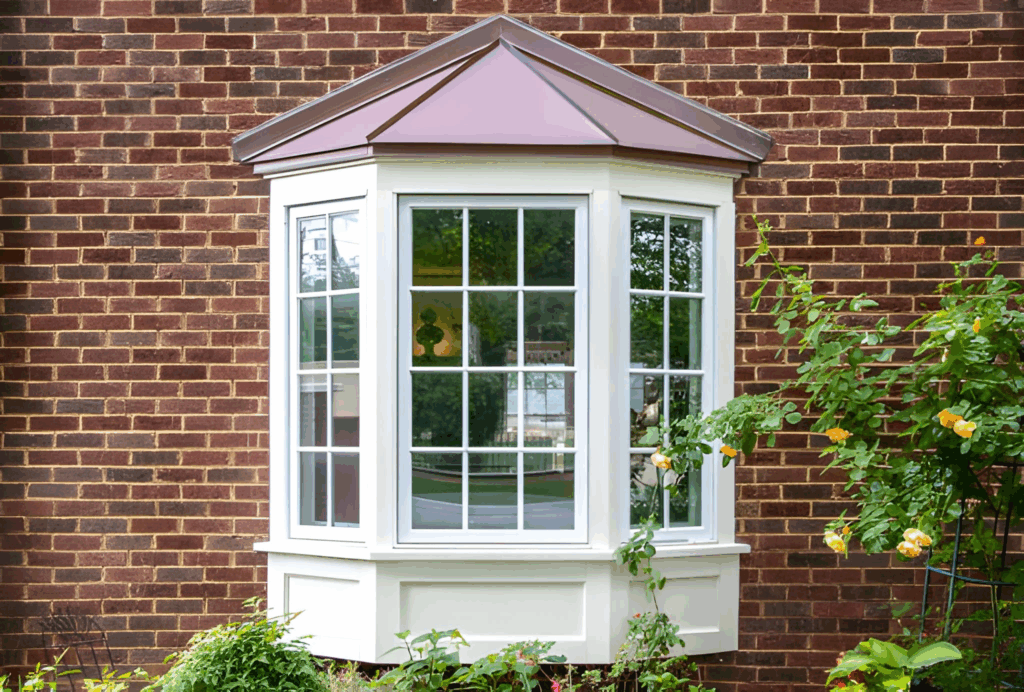
- Window strategy that prioritizes repair and weatherstripping of original units. Consider interior storms for performance without changing the exterior profile.
- Electrical and plumbing modernization to current safety standards with minimal disruption to finishes.
3) Use the minimum intervention principle
Retain and repair first. Replace only when life safety, severe deterioration, or code requires it. When replacement is unavoidable, match profiles, proportions, and materials as closely as practical.
Permits and approvals in Toronto
While each property is unique, planning usually involves three layers:
- Zoning and building permits for structural changes, additions, underpinning, or major systems.
- Heritage Permit for designated properties or homes in Heritage Conservation Districts when altering protected elements.
- Committee of Adjustment if you need variances for additions, dormers, or lot coverage.
Expect longer lead times than a standard renovation. Build in time for drawings, heritage review, and potential revisions. A well-prepared submission with clear drawings and heritage rationale can reduce back and forth.
Materials that play well with heritage homes
Masonry and mortar
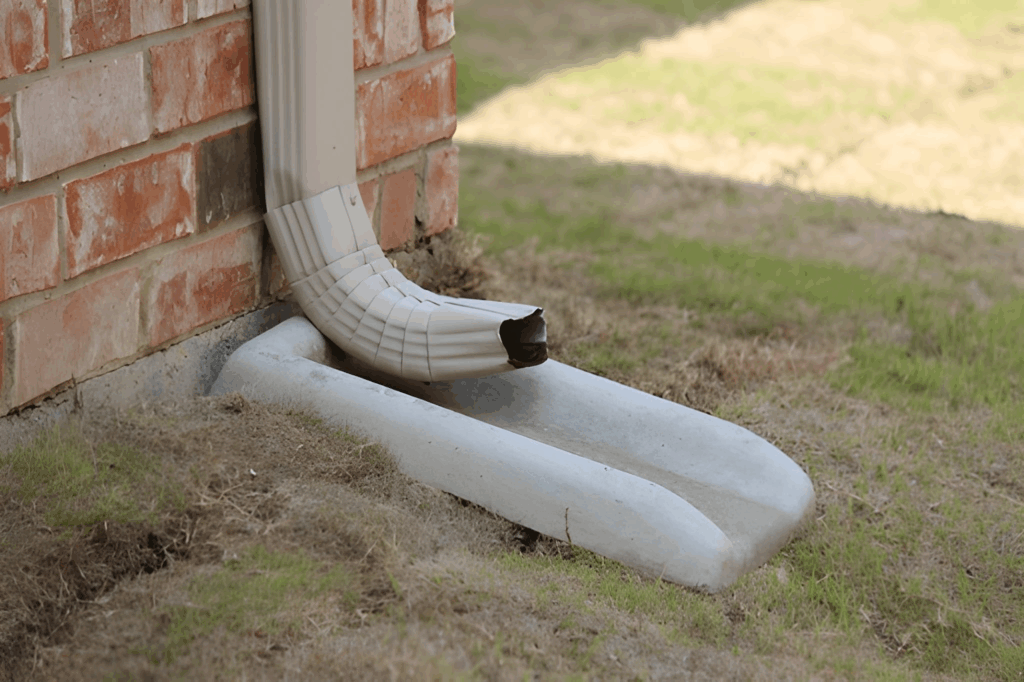
Many Toronto heritage houses use soft brick and lime-rich mortar. Hard modern mortars can damage brick. Specify compatible repointing mixes and match joint profiles. Protect masonry from moisture by fixing eaves, grading, and downspouts before considering coatings.
Windows and doors
Refinish original wood windows when possible. Epoxy repairs, new glazing, and weatherstripping can dramatically improve performance. If replacement is needed, choose units that match sightlines and muntin patterns. Avoid bulky frames that change the facade’s rhythm.
Interior finishes
Keep plaster where practical. It provides sound control and character. Use flexible setting compounds for crack repair. When adding new casing or baseboards, match the existing profiles or choose simple profiles that complement rather than compete.

Moisture management comes first
Heritage problems often trace back to water. Get this right before tackling finishes.
- Correct grading and extend downspouts away from the foundation.
- Repair flashing at chimneys, porch roofs, and bay windows.
- Ventilate humid spaces and install a quiet, code-compliant bathroom fan.
- Address basement dampness with exterior drainage improvements or interior systems if needed.
Ballpark budgets for typical scopes in Toronto
Every home is different, but these ranges help with planning. Numbers reflect 2025 market conditions for many semis and detached homes.
- Full heritage-sensitive main floor refresh with trim restoration, mild layout tweaks, refinishing floors, and new lighting: $65,000 to $120,000
- Kitchen in a heritage envelope preserving openings and trim, custom millwork, stone counters, upgraded electrical and ventilation: $60,000 to $110,000
- Window restoration of 6 to 10 wood sashes, including weatherstripping and storms: $12,000 to $30,000
- Masonry repointing selective, soft mortar match, per elevation: $8,000 to $20,000
- Whole home system upgrades electrical, plumbing, panel, HVAC with minimal drywall repairs: $45,000 to $90,000
Use these as starting points, then tailor to your home’s condition and the level of finish you want.
Timeline and sequencing
A thoughtful order reduces surprises and protects finishes.
- Investigation, measurements, and heritage strategy
- Permit drawings, heritage review, and approvals
- Structural and envelope work, including masonry and roofing
- Rough-in for mechanical, electrical, and plumbing
- Insulation, air sealing, and sound control
- Drywall or plaster repair, millwork, and flooring
- Finishes, fixtures, commissioning, and cleanup
Common pitfalls to avoid
- Sandblasting brick, which scars the surface and speeds moisture damage.
- Trapping moisture with impermeable paints on old masonry.
- Removing original trim and doors that cannot be replaced affordably.
- Oversizing HVAC and creating imbalance or noise.
- Rushing permits, which leads to redesign mid-stream.
How we help Toronto homeowners
At JG Contracting, we combine heritage respect with modern building science. We coordinate drawings, permits, and careful site execution. Our field team protects original details while upgrading comfort and safety. We keep a close eye on material deliveries and inspect for damage before installation to avoid headaches and delays.
FAQs
Do I always need a Heritage Permit?
Not always. It depends on listing or designation status and the scope of work. Exterior alterations on designated properties usually require a Heritage Permit. Interior work can be exempt unless specifically protected. Always verify early.
Can I add a rear addition to a heritage home?
Often yes, with a compatible design. Massing, materials, and window proportions should complement the original house. You may also need Committee of Adjustment approvals.
What if my original windows are too far gone?
Replace in kind with careful profile matching. Consider using interior storm panels on remaining operable units for performance.
Ready to renovate your heritage home?
Get a heritage smart plan that protects the character you love and upgrades comfort for decades. Contact us today to book a consultation. We can review your goals, assess your home, and map out drawings, permits, budgets, and sequencing.
📞 Call us at: 437-259-9632
✉️ Email us at: [email protected]
🌐 Website: https://jgcontractingyyz.com