
Toronto winters make a strong case for heated bathroom floors. Besides cozy toes, radiant floor heating helps dry surfaces faster, reduces drafts, and adds a touch of luxury that buyers notice. If you’re planning a Toronto bathroom renovation, here’s a practical, contractor-backed guide to deciding whether in‑floor heat is right for you and how to get it installed the right way.
Why Homeowners Love Heated Floors
- Comfort you can feel: Even at modest temperatures (26–29°C surface), floors feel warm and rooms feel more even.
- Faster-drying floors: Less lingering moisture after showers helps reduce slip risk and mildew.
- Energy-smart zone heating: Warm the bathroom when you need it without overheating the rest of the home.
- Resale appeal: Buyers remember spa-like touches, especially in compact Toronto baths.
Pro Tip: Pair radiant heat with good ventilation (quiet, ducted bath fan) to tackle humidity and keep mirrors clear.
Electric vs. Hydronic: Which System Fits a Toronto Bathroom?
Electric (most common for bathrooms)
- How it works: A cable or pre-wired mat embedded under tile warms via electricity.
- Best for: Retrofits, small/medium bathrooms, tight timelines, and targeted zones (toilet, vanity, shower).
- Pros: Quick install, precise thermostats, programmable schedules, minimal floor height increase.
- Consider: Requires a dedicated circuit sized for the load and a floor sensor for accurate control.
Hydronic (hot-water based)
- How it works: Warm water circulates through tubing embedded in the floor.
- Best for: Whole-home systems or large additions when you already have a boiler.
- Pros: Very efficient at scale; pairs well with low-temp heat sources.
- Consider: Higher upfront cost and thickness are less common for bathroom-only retrofits in existing Toronto homes.
What Installation Looks Like
- Plan the heated zones (full room vs. key paths like vanity-to-shower). Avoid under permanent fixtures.
- Prep the subfloor: Fix squeaks, level low spots, and address any moisture issues first.
- Thermal break where possible: A thin insulating underlayment below the heat layer reduces heat loss to the subfloor.
- Lay heating cable or mats following the manufacturer’s spacing charts; keep consistent spacing—no crossover.
- Embed & uncouple: Use a compatible uncoupling membrane (e.g., studded mat systems) or a thinset/SLU pour to protect the cable and limit tile cracking.
- Tile selection: Porcelain/ceramic conducts heat beautifully; stone works too. LVP/engineered floors may be possible if heat-rated—always check manufacturer limits (often ≤ 27–29°C surface).
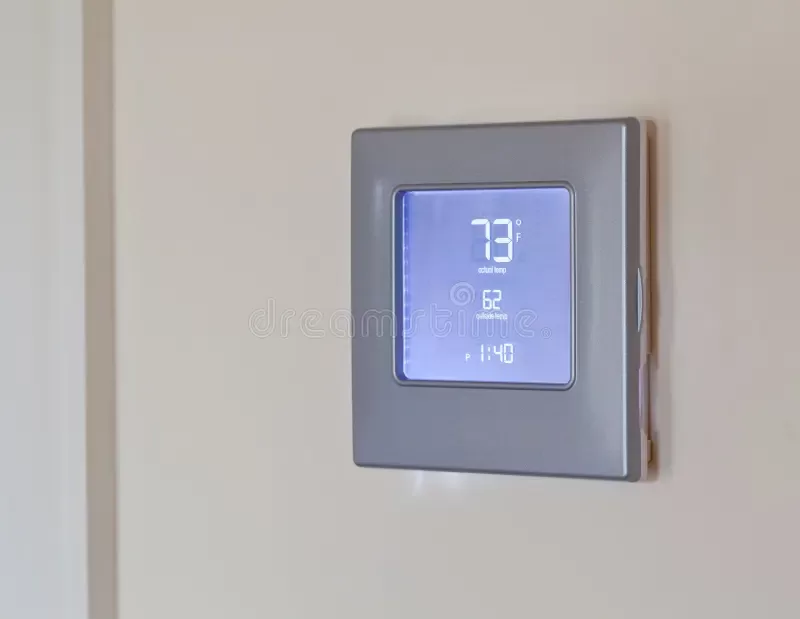
- Thermostat & floor sensor: A programmable or Wi‑Fi thermostat with a probe gives precise control and protects finishes.
- Testing: Record resistance values before, during, and after embedding to keep warranty coverage.
Shower floors can be heated too with the right waterproofing details—great for comfort and drying.
Power & Controls (What to Expect)
- Circuit: Most bathroom systems run on 120V or 240V; larger rooms often use 240V for efficiency. A dedicated circuit sized to the load is typical.
- GFCI protection: Many thermostats include integral GFCI; if not, provide it at the breaker or receptacle.
- Scheduling: Program warm-up before your morning routine and coast during the day.
- Energy use: In a small bath (e.g., 30–60 sq. ft. heated area), typical draw is modest and intermittent—especially with a well-insulated floor and smart scheduling.
Costs in Toronto (Ballpark Ranges)
Every project is unique, but these order-of-magnitude ranges help with planning:
- Good (targeted zones): Heat mats/cable at key paths, standard thermostat, integrated into a typical tile re-do. From low‑$ thousands installed.
- Better (full-room comfort): Full coverage, Wi‑Fi thermostat, uncoupling membrane, improved subfloor/leveling. From mid‑$ thousands installed.
- Best (spa experience): Heated shower pan + main floor, premium controls, extra insulation/leveling, complex layouts. Higher‑$ thousands installed.
A site visit lets us provide a line‑item quote so you know exactly where your dollars go.
Myths, Busted
- “It will heat the whole house.” It’s a comfort upgrade for the bathroom, not a primary heat source for your home.
- “It’s too expensive to run.” With zoning and scheduling, the operating cost for a small bath is often comparable to running a few light bulbs during occupied hours.
- “Any tile works.” Not quite. Large-format porcelain is great, but always match mortar, membrane, and grout to the system and movement joints.
Risk Management & Warranty Tips
- Moisture first: Solve leaks and waterproofing before adding heat.
- No fasteners through cables: Plan trim, thresholds, and shower doors to avoid punctures.
- Document everything: Photos of cable layout, resistance test logs, and product serials help with future service and resale.
- Electrical work: Use a qualified pro and keep documentation for insurance and future buyers.
Styling a Heated Bathroom That Sells in Toronto
- Timeless tile: Matte porcelain in warm neutrals, terrazzo-look, or soft marbles stay in style.
- Warmth you can see: Add a heated towel bar (separate circuit/control) for that boutique-hotel vibe.
- Lighting: Layered lighting (vanity, shower-rated downlight, and a dimmable ambient source) makes morning routines easier.
Ready to Upgrade Your Bathroom?
Let’s design a cozy, energy-smart bathroom that fits your budget and timeline. Book a consultation today with JG Contracting, your local partner for Toronto home renovations.
📞 Call us at: 437-259-9632
✉️ Email us at: [email protected]
🌐 Website: https://jgcontractingyyz.com